Practice Principles
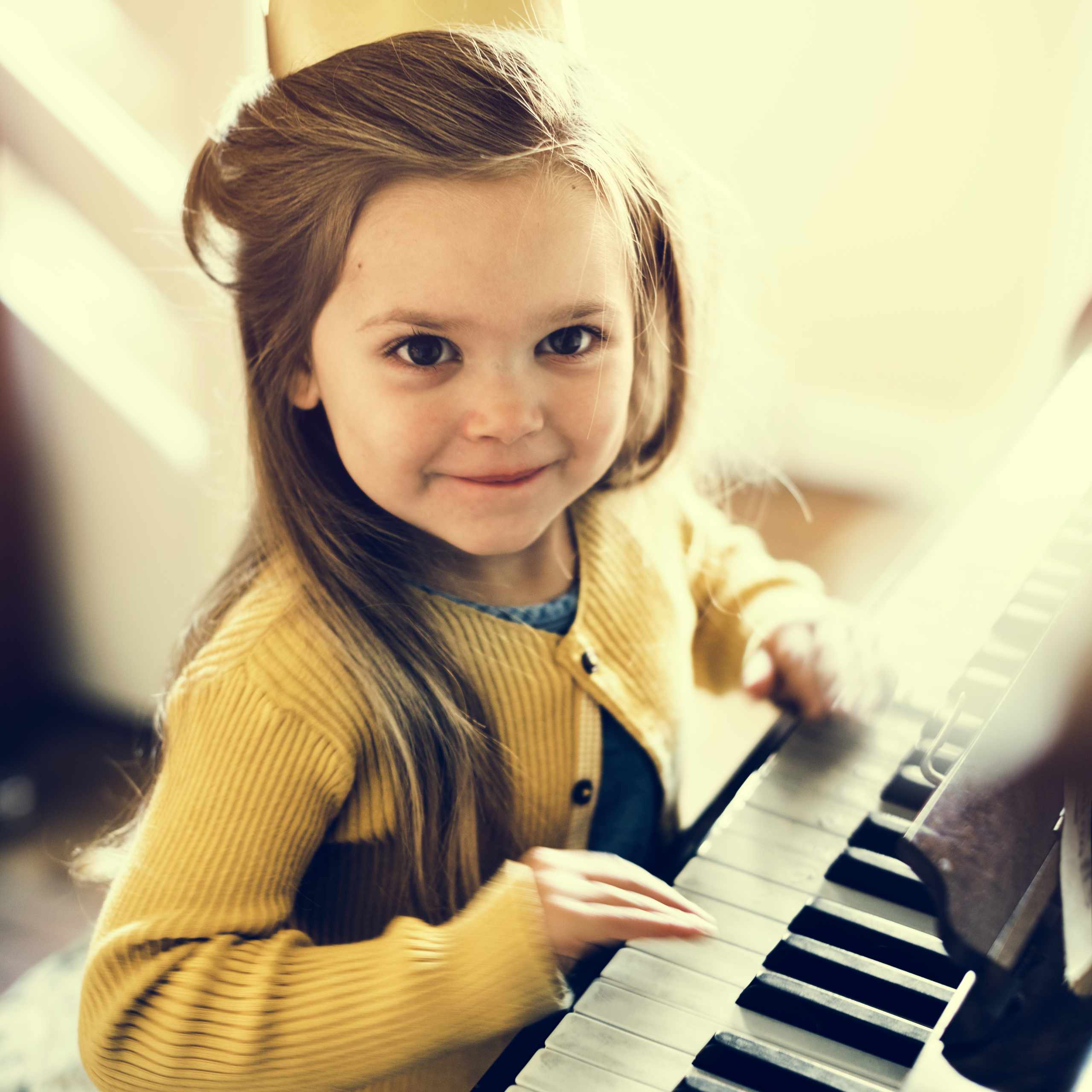
Small Phrases First

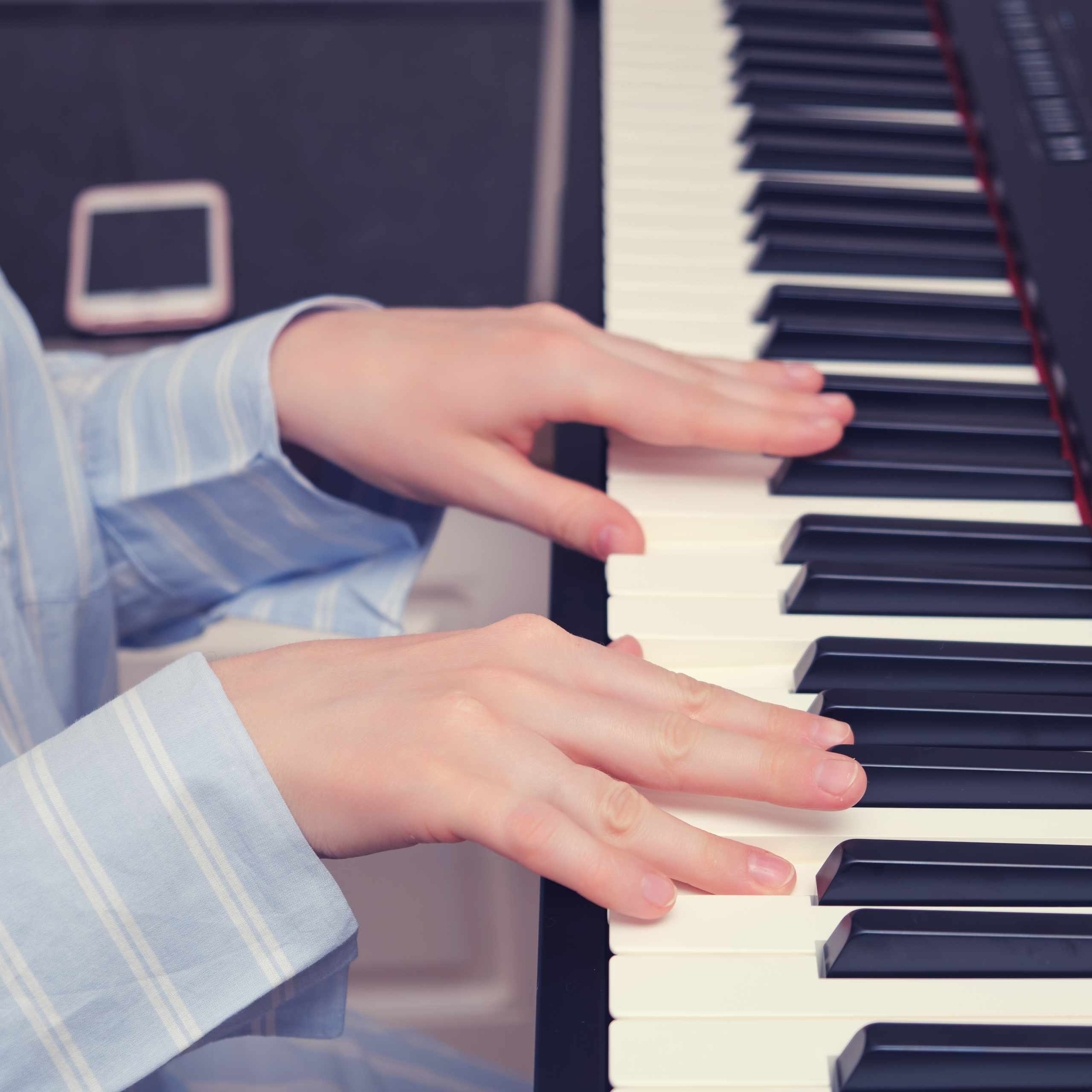
Hands Relaxed

Rhythm Before Speed
How PianoHarmony Approaches Piano
PianoHarmony treats early piano study as a set of clear, repeatable actions: finding notes on the keyboard, shaping the fingers, counting beats, and playing short melodies without rushing. The focus is not on dramatic performance promises, but on making the first steps feel understandable.
Practice is organized around small musical tasks. Learners separate hands, repeat short phrases, mark finger changes, slow the tempo, and listen for uneven notes before trying to play more at once.
Learning Values
Slow Tempo
Speed comes later. First, each measure is played slowly enough to notice rhythm, fingering, and relaxed movement.
Clear Counting
Notes and rests become easier when beats are counted aloud before the melody is played on the keyboard.
Useful Repetition
Repeating two measures with attention is more helpful than replaying a whole piece while missing the same spot.
Practice Notes For First Pieces
The blog supports the course with practical notes on keyboard landmarks, rhythm counting, hand coordination, metronome use, sheet music marks, and the small details that make early piano practice less confusing.