Piano Basics, Played Slowly
Practice keyboard layout, relaxed hand position, rhythm counting, and short melodies with a calm course built for first piano steps.
What You Practice
Keyboard Landmarks
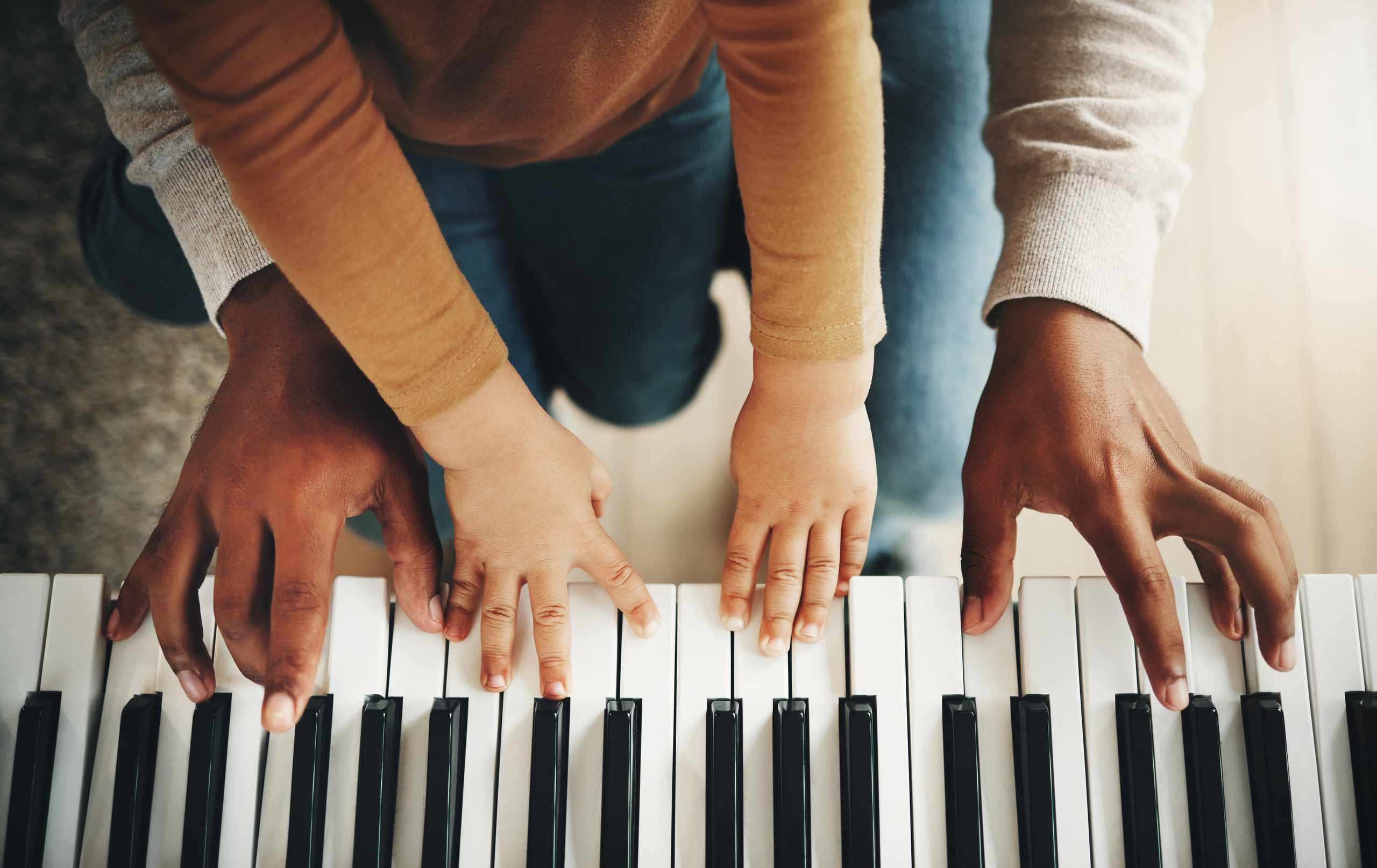
Find white keys, black key groups, middle C, and octave patterns before trying longer pieces.
Relaxed Finger Shape
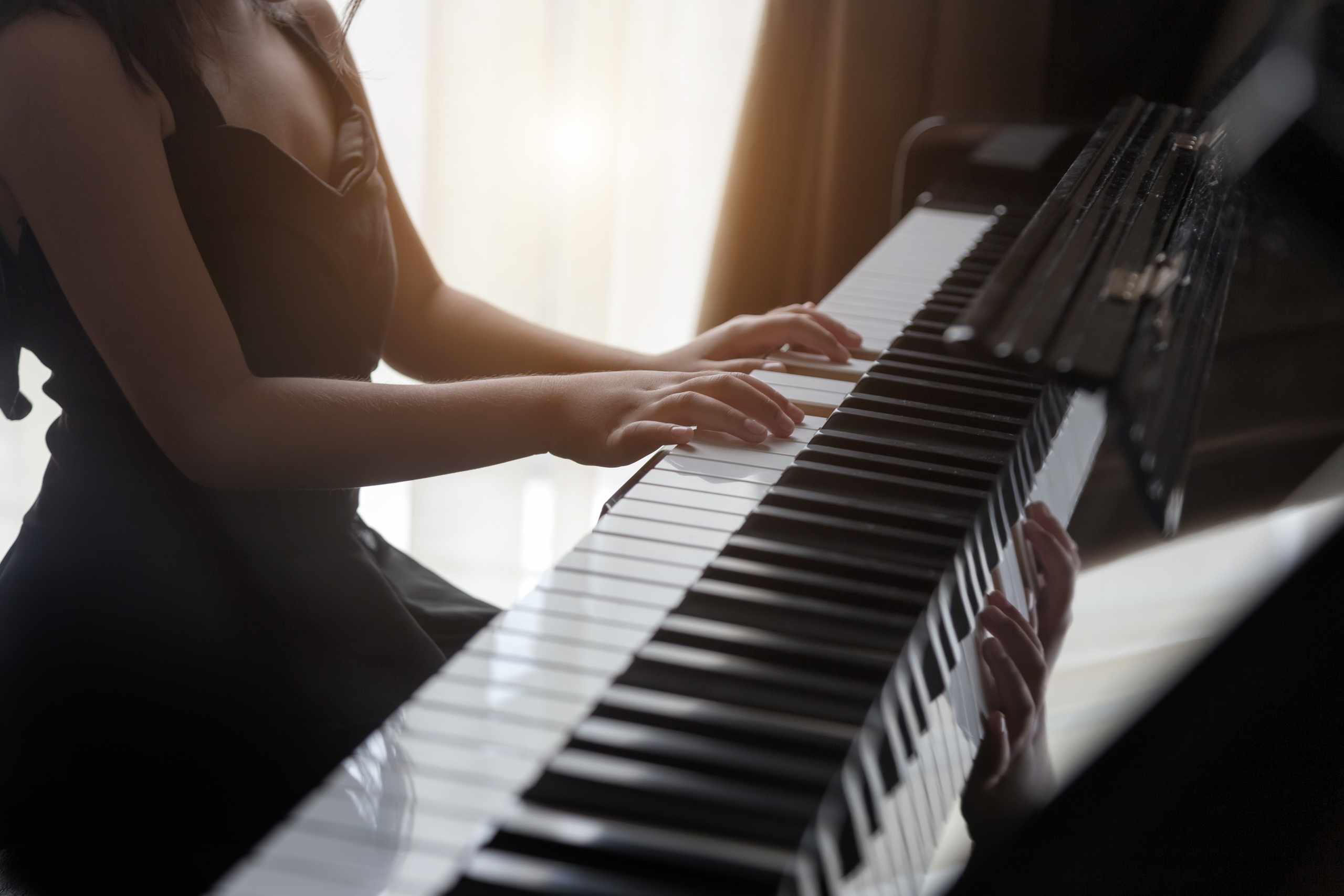
Work on curved fingers, steady wrists, and lighter key presses instead of stiff hand tension.
Rhythm And Counting
Clap, tap, and count simple beats so notes, rests, and measures feel less like guessing.
Two-Hand Steps
Practice each hand alone first, then combine short left-hand and right-hand patterns slowly.
Why This Course Feels Clear
PianoHarmony keeps early practice small enough to understand. Instead of rushing through a full song, you work with short phrases, simple finger numbers, slow tempo, and clear listening checks.
The course helps you notice the problems that make piano feel confusing: tense shoulders, skipped counting, uneven notes, and playing both hands together before each hand is ready.
Start With The Right Setup
Not sure whether your keyboard, bench, sheet music, or metronome is enough to begin? Ask before starting so your first practice sessions focus on notes, rhythm, and hand comfort.
You can also check how the course approaches note reading, hand coordination, and short daily practice if you are new to piano or returning after a long pause.
Learner Feedback

The short phrase work helped me stop replaying the whole piece again and again. I started hearing where my rhythm slipped.
I liked practicing one hand at a time before combining both hands. The keyboard felt less confusing when I slowed down.
Counting aloud and marking finger changes made my practice feel calmer. I could fix small mistakes without stopping completely.